


Curriculum Features
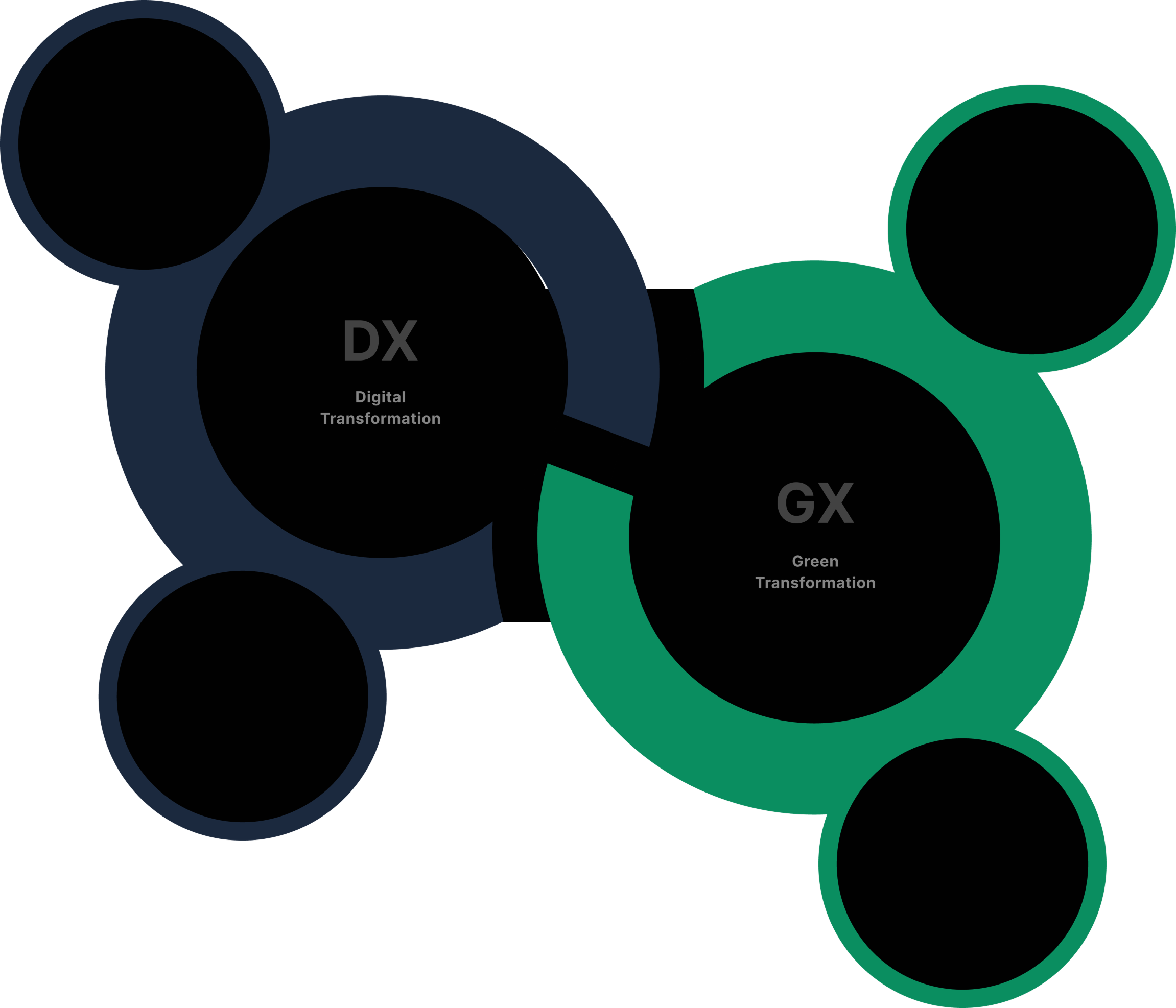
The curriculum is structured on three core pillars. These include a cluster of applied chemistry and life-sciences courses that build knowledge in materials and biological sciences, a cluster of mechanical engineering, electrical and electronic engineering, and physics courses that develop system-oriented expertise, and a cluster of data science and digital technology courses that support both fields through digital transformation(DX).
Data Science
Cluster

Informatics
Cluster

Common Subject
Cluster

Mathematical
Science Cluster
Applied Chemistry
and Life Sciences
Cluster
Mechanical
Engineering,
Electrical and
Electronic
Engineering,
and
Physics Cluster

Curriculum Overview
This program aims to cultivate engineers who will help build a sustainable society by driving
green
transformation (GX) through science and technology grounded in digital transformation.
-
First Year
Build a solid foundation for later study through introductory data science courses and DX courses including programming, along with fundamentals in mathematics, physics, chemistry, and biology.
-
Second Year
Broaden studies in data science and digital technologies, then focus on either applied chemistry and life-sciences or mechanical engineering, electrical and electronic engineering, and physics clusters as preparation for advanced coursework, while developing practical skills through laboratory work and internships.
-
Third Year
Students who have completed applied chemistry and life-sciences advance to materials and biological science clusters, while those who have completed mechanical engineering, electrical and electronic engineering, and physics progress to system‑oriented clusters to deepen expertise in their chosen field. Students also take advanced GX courses built on a DX foundation to strengthen their ability to contribute to new technologies.
-
Fourth Year
Through graduation research, establish practical research and development capability as an engineer or researcher and cultivate the ability to define and solve social problems. Further develop global leadership through clusters of courses on entrepreneurship, intellectual property, and international standardization.
- All
- Faculty of Science and
Technology Common Subject Group I
- Faculty of Science and
Technology Common Subject GroupⅡ - Department Core Courses
- Department Specialized Courses
- First Year
- Build a solid foundation of science and engineering for later study
- Second Year
- Broaden studies in data science and digital technology as preparation for advaced coursework
- Third Year
- Deepen specialized knowledge including advanced GX coursed built on a DX foundation to strengthen ttheir abilities to contribute to new technologies
- Fourth Year
- Through graduation research, establish practical and development capability as an enigneer or a researcher and cultivate the ability to define and solve social problems
- Department Core Courses
-
Statistical Learning
Programming (Python)
- Faculty of Science and Technology Common Subject GroupⅡ
-
Mathematics A2 (Abstract Linear Space)
Mathematics B2 (Multivariable Calculus)
Regression Analysis Bayesian Statistics
Machine Learning Artificial Intelligence
Data Structures and Algorithms
Quantum Computing Information Fluency (C Programming)
Chemical Analysis Inorganic and Organic Structural Chemistry Physical Chemistry Data Driven Environmental Science Introduction to Modeling of Natural Phenomena
Environmental Biochemistry
Bioinformatics
Electromagnetism Thermodynamics Materials Science Energy Conversion Industrial Dynamics Applied Mathematics Mathematical Optimization Fundamentals of System Analysis
Study Abroad Program (UC Davis, UNC Charlotte)
Compulsory Elective Courses: 12 credits・Elective Courses: 18 credits
Up to 4 credits from other English-taught
Courses of Faculty of Science and
Technology can be included
- Department Specialized Courses
-
Group A (Data Science & Informatics)
Time Series Analysis Multivariate Analysis Non-Parametric Analysis Natural Language Processing
Theory and Practice of Deep Learning Data Visualization
Computer Vision: Theory and Practice
Database Discrete Mathematics Information Security Quantum Information Theory Introduction to Quantum Machine Learning
Group B (Applied Chemistry & Life Sciences)
Chemical Reactivity: Energy and Interactions Polymer Chemistry Inorganic Materials Organic Materials Theoretical Chemistry Chemical and Materials Informatics Molecular Science Organic and Natural Product Chemistry Computational Chemistry Applications of Databases in Chemical Data Science Biopolymers Biomaterials Biomass Biological Image Analysis Medicinal Informatics
Intellectual Property Rights International Standardization Law and Ethics in TechnologyGroup C (Mechanical Engineering & Electrical and Electronic Engineering)
Introduction to Robotics Autonomous System Engineering
Introduction to Geographic Information System
Energy Management Systems Fundamentals of Network Security
Network Science Social Network Analysis
Elective Courses: 30 credits
Credits from other English-taught Courses of Faculty of Science and Technology departments can be included
- Faculty of Science and Technology Common Subject Group I
-
Mathematics A1 (Linear Algebra)
Mathematics B1 (Basic Calculus)
Mathematics C (Basic Statistics)
Basic Chemistry
Basic Biology
Basic Physics
Compulsory Courses: 12 credits
- Department Core Courses
-
Introduction to Digital Green TechnologyDIGITAL GREEN TECHNOLOGY EXPERIMENTS 1
PROJECT-BASED PRACTICUM
INTERNSHIPENTREPRENEURSHIP
DIGITAL GREEN TECHNOLOGY EXPERIMENTS 2SEMINAR 1・2
GRADUATION RESEARCH 1・2
-
STUDIES IN CHRISTIAN HUMANISM
LIBERAL ARTS OF THE BODY
CRITICAL THINKING AND DISCUSSION
OVERVIEW OF DATA SCIENCE
THINKING ABOUT ISSUES, PERSPECTIVES AND POSITIONALITY
ACADEMIC WRITING1・2General Studies(Elective Courses)General Studies(COMPULSORY ELECTIVE COURSES)
General Studies Compulsory Courses: 8 credits・Compulsory Elective Courses: 6 credits・Elective Courses: 12 credits
Language Compulsory Courses: 4 credits
- Data Science Cluster
- Informatics Cluster
- Applied Chemistry and Life Sciences Cluster
- Mechanical Engineering, Electrical and Electronic Engineering, and Physics Cluster
- Mathematical Science Cluster
- Common Subject Cluster
- General Studies
- Language
- Others